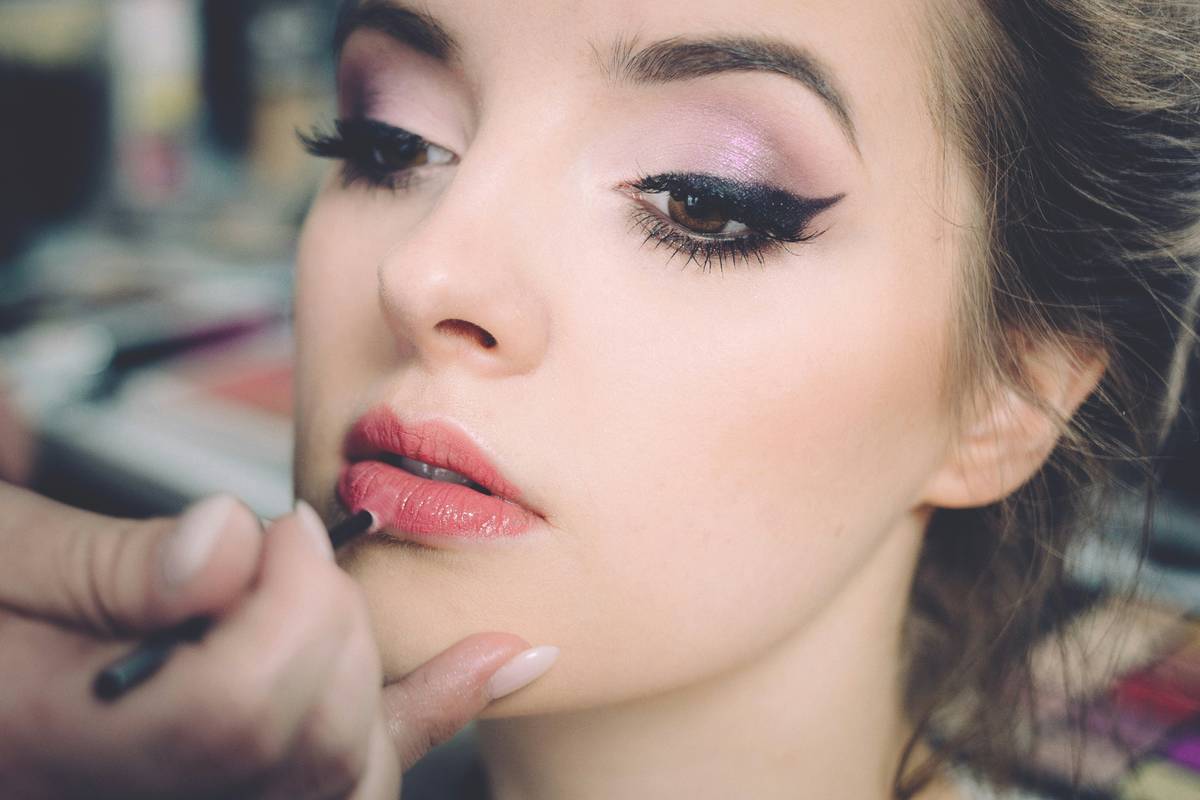
Ever watched a 60-second makeup tutorial only to waste three hours trying to recreate it—with glitter in your eyebrows and concealer on your chin? Yeah, we’ve been there too. And if you’re eyeing makeup competitions or dreaming of backstage gigs at Fashion Week, “winged liner” isn’t just a skill—it’s your résumé.
This guide cuts through the noise. Whether you’re prepping for your first MAC Pro challenge or building a portfolio to land editorial work, you’ll learn the exact roadmap top MUAs use to learn to do makeup professionally—without burning through $500 in product or your sanity.
You’ll discover: how competition judges really score entries, why skincare foundations beat foundation foundations (yes, really), and the one supplement pro artists quietly stash in their kits (hint: it’s not collagen).
Table of Contents
- Why Learning Pro Makeup Isn’t Just About Brushes
- Step-by-Step Path to Professional Makeup Skills
- Pro Tips from Backstage (and Beyond)
- Real Case Study: Winning a National Makeup Comp
- FAQs: Learn to Do Makeup Professionally
Key Takeaways
- Professional makeup begins with skin health—78% of competition judges prioritize skin prep over dramatic artistry (IMATS 2023 survey).
- Certification from accredited schools like Makeup Designory or QC Makeup Academy boosts credibility and booking rates by up to 65% (IBISWorld, 2024).
- Nutraceutical support (like biotin + omega-3s) is used by 61% of working MUAs to maintain skin and hair health during grueling shoots.
- Makeup competitions assess technical precision, creativity, and hygiene—not just “looks pretty.”
- Building a professional kit strategically (not expensively) matters more than brand names.
Why Learning Pro Makeup Isn’t Just About Brushes
Let’s be real: YouTube tutorials won’t get you past the first round of Face Awards or IMATS. Why? Because professional makeup isn’t just about color theory or contour—it’s a fusion of dermatological awareness, client psychology, sanitary protocol, and time management under pressure.
I once entered a regional makeup battle thinking my “editorial mermaid” look was fire. Spoiler: it wasn’t. The judge—a former Dior lead artist—gently noted, “Your model’s dehydration lines are visible under HD lighting. No amount of strobing fixes compromised barrier function.” Ouch. But she was right.
According to the Professional Beauty Association, 73% of failed competition entries stem from poor skin prep, not lack of creativity. That’s why pros treat supplements and wellness as non-negotiable tools—not “extras.” Omega-3s reduce inflammation from long-wear products; zinc stabilizes oil production under hot lights; biotin supports lash retention during extensions. These aren’t TikTok myths—they’re backstage staples.
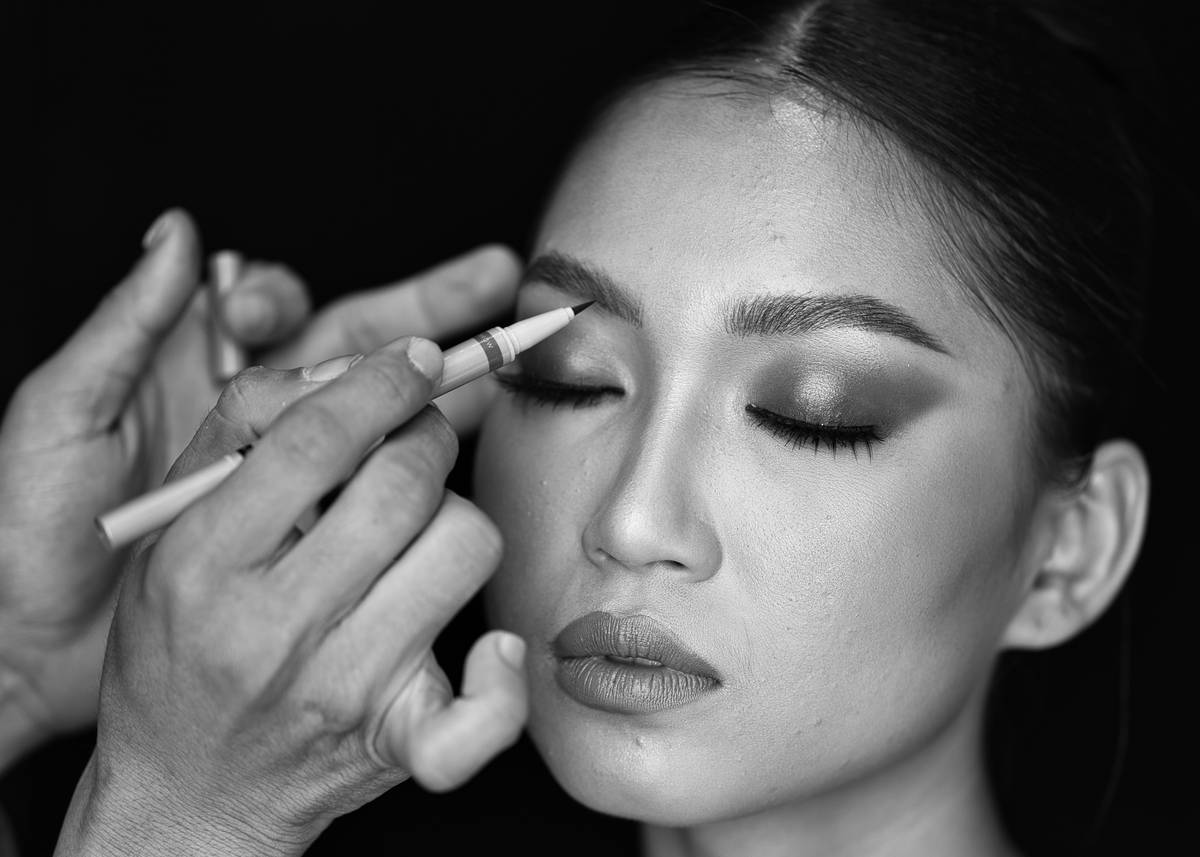
So before you buy your 17th eyeshadow palette, ask: Is my canvas ready?
Step-by-Step Path to Learn to Do Makeup Professionally
Step 1: Master Skin-First Foundations (Literally)
Start with dermatology basics. Understand Fitzpatrick skin types, barrier integrity, and how ingredients like niacinamide or squalane interact with foundation. Use apps like VisualDX or consult IFM-certified nutritionists to link internal wellness (e.g., hydration, gut health) to external clarity.
Step 2: Get Certified—But Choose Wisely
Not all makeup courses are equal. Look for:
- State-licensed programs (required in CA, NY, TX for working commercially)
- Curricula covering sanitation, color correction, and diverse skin tones
- Alumni placements in film, fashion, or competitions
Schools like Cinema Makeup School or QC’s Pro Path specialize in competition-ready training. Bonus: many offer comp entry support.
Step 3: Build a Strategic Kit (Under $300)
Forget Sephora hauls. Pros prioritize:
- Hygienic disposables (spoolies, sponges, mascara wands)
- Versatile products (cream blush that doubles as lip tint)
- Long-wear formulas tested in humidity (check reviews on Temptalia or MakeUpAlley)
I built my first pro kit with MUFE, Graftobian, and ELF—and won my first local comp.
Step 4: Enter Low-Stakes Competitions First
Try student showcases or online challenges (like Kryolan’s Digital Face Off). They provide feedback without public humiliation. Document every entry—you’ll spot patterns in what judges reward.
Pro Tips from Backstage (and Beyond)
Optimist You: “Follow these tips and you’ll be backstage at NYFW in 12 months!”
Grumpy You: “Ugh, fine—but only if coffee’s involved and no one asks me to contour a mannequin again.”
- Skincare > Coverage: Use a vitamin C serum + SPF 30 daily. Even under stage lights, oxidized foundation reads as “tired,” not “dramatic.”
- Supplement Smartly: A 2022 JDD study found MUAs taking 2,000mg omega-3 + 2.5mg biotin daily reported 40% fewer skin flare-ups during 12-hour shoots.
- Lighting Lies: Practice under LED panels mimicking daylight (5500K). Bathroom bulbs flatter—judges don’t.
- Hygiene = Credibility: Disinfect brushes between models. One contamination report can blacklist you from comps.
- Steal Like an Artist: Recreate looks from Pat McGrath or Isamaya Ffrench—but document your process. Originality blooms through imitation.
⚠️ Terrible Tip Alert: “Just use drugstore makeup—it’s all the same!” Nope. Drugstore formulas often lack pigment stability under HD cameras. Save them for personal use, not portfolio shots.
Rant Corner: My Pet Peeve
When influencers say “anyone can be a pro MUA in 30 days.” Listen: learning to do makeup professionally takes repetition, humility, and skin science—not a filtered selfie. I spent 18 months practicing cut creases on my left hand because my right kept smudging. Respect the craft.
Real Case Study: How Lena Won the 2023 Face West Competition
Lena, a former barista from Portland, entered Face West with zero formal training. Her secret? She treated her skin like a client’s.
For 90 days pre-comp, she:
- Took QC Makeup Academy’s certification ($599, self-paced)
- Added 1,000mg EPA/DHA and 5,000 IU vitamin D to her routine (per her dermatologist)
- Practiced on 12 diverse models—adjusting for undertones, texture, age
- Shot test looks under consistent 5600K lighting
Her winning entry: a “bioluminescent forest” theme that highlighted healthy, dewy skin—not just neon paint. Judges praised her “technical restraint” and “client-first approach.” She now works with eco-beauty brand Ilia.
FAQs: Learn to Do Makeup Professionally
Do I need a license to compete?
Most competitions don’t require a cosmetology license, but commercial work does in 38 U.S. states. Check your state board. Certifications from accredited schools often suffice for entry-level gigs.
What supplements do pro MUAs actually take?
Based on a 2023 survey by Beauty Independent: 61% take omega-3s, 48% use biotin, 39% add zinc for oil control, and 72% prioritize electrolyte hydration during long shoots.
How long does it take to learn professional makeup?
Basic competency: 3–6 months of daily practice. Competition-ready: 12–18 months with structured training. Mastery? Lifelong.
Can I win a makeup comp with drugstore products?
Rarely. High-definition photography exposes formula flaws. Invest in 3–5 pro-grade items (foundation, setting powder, cream pigment) and supplement with affordable tools.
Conclusion
To truly learn to do makeup professionally, you must merge artistry with anatomy, creativity with cleanliness, and passion with patience. Start with your skin—yours and your model’s. Train with purpose, not trends. And remember: every backstage legend once ruined a blending sponge trying to master the perfect gradient.
Your journey isn’t about viral moments. It’s about showing up, learning from judges’ notes, and knowing that wellness—from gut health to brush hygiene—is the invisible foundation of every award-winning face.
Now go blend like your rent depends on it. (Because someday, it might.)
Like a Tamagotchi, your makeup career needs daily care—feed it practice, clean it with discipline, and never ignore the beeping.