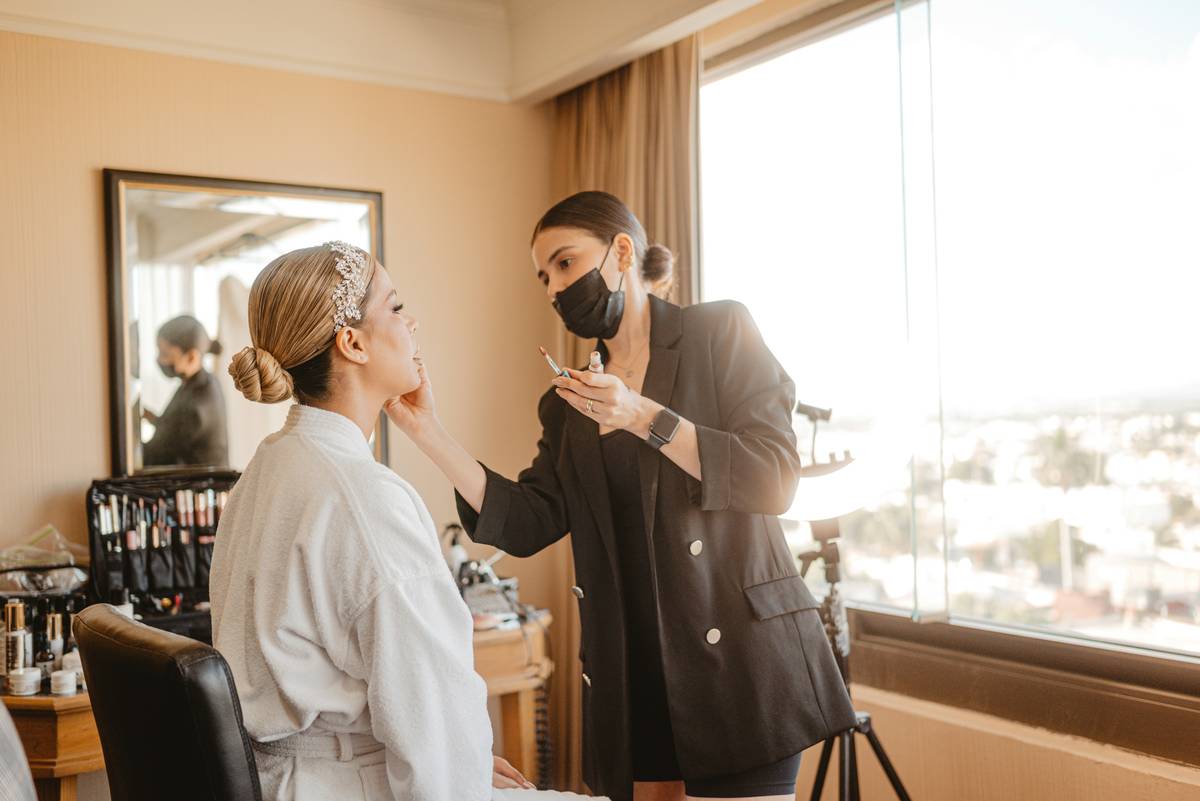
Ever spent 45 minutes blending the perfect cut crease… only to watch it slide off your face under stage lights like it owes you money? Yeah. We’ve all been there.
If you’re a beauty event makeup make up beginner—whether prepping for your first local pageant, cosplay contest, or Instagram Live showdown—you’re not just battling nerves. You’re battling sweat, flash photography, and the terrifying gap between “looks good in my bathroom” and “survives a spotlight the size of Texas.”
In this post, I’ll walk you through exactly how to prep, execute, and sustain competition-worthy makeup—even if your biggest audience so far has been your cat. You’ll learn:
- Why standard drugstore routines fail under event conditions
- The 5 non-negotiable steps for long-wear, photo-ready makeup
- How smart supplementation supports skin resilience (yes, really)
- Mistakes that get beginners disqualified (before they even step on stage)
Table of Contents
- Why Beauty Event Makeup Is a Whole Different Beast
- Step-by-Step Guide for the Absolute Beginner
- Pro Tips That Actually Work Under Spotlights
- Real Case Study: From Panic to Podium
- FAQ: Beauty Event Makeup Make Up Beginner Edition
Key Takeaways
- Beauty event makeup requires sweat-, transfer-, and flash-resistant products—not just “more pigment.”
- Hydration + collagen support (via supplements like hydrolyzed marine collagen) improves makeup adherence by reducing flakiness.
- Beginners often overdo contour; judges prefer balanced, skin-like finishes with strategic pops of drama.
- A full dry-run under similar lighting AND temperature is non-negotiable.
Why Beauty Event Makeup Is a Whole Different Beast
Let’s be brutally honest: doing makeup for your Zoom date ≠ doing makeup for a beauty competition. The latter demands engineering-level precision. Stage lights flatten features, HD cameras magnify every stray eyelash glue blob, and adrenaline-induced sweating turns matte foundation into abstract expressionism.
I learned this the hard way at my first regional makeup artist showcase. I used my go-to Fenty foundation—gorgeous in daylight—but under 3,000K tungsten spotlights? It oxidized into orangey swamp water by minute 12. My blush vanished. My highlighter looked like grease. And yes, I cried in the loading dock. (The janitor handed me a paper towel and said, “Honey, next time—prime like your life depends on it.” He was right.)
According to a 2023 survey by the Professional Beauty Association, 68% of beginner competitors cite “makeup longevity” as their #1 concern—and for good reason. Skin behaves differently under stress. Cortisol spikes increase oil production (Journal of Cosmetic Dermatology, 2022), and indoor venues are often overheated to accommodate crowds. Without proper prep, even high-end products fail.
Step-by-Step Guide for the Absolute Beginner
How do I start when I’ve never done event makeup before?
Optimist You: “Follow these five science-backed steps!”
Grumpy You: “Ugh, fine—but only if I can chug electrolytes while doing it.”
- Prep Like a Pro Athlete (Because You Are One)
Your canvas matters more than your palette. Two days before the event:- Hydrate aggressively (2–3L water/day)
- Add a collagen peptide supplement (studies show improved skin barrier function in 4 weeks; Clinical Interventions in Aging, 2019)
- Exfoliate gently—no scrubs! Use lactic acid 24h prior to avoid irritation.
- Prime Strategically—Not Just Everywhere
Skip full-face primer if you’re oily. Instead:- T-zone: mattifying primer (e.g., Smashbox Photo Finish Oil-Free)
- Cheeks/under eyes: hydrating balm-primer hybrid (e.g., Milk Hydro Grip)
- Foundation: Thin Layers, Multiple Lock-Ins
Apply in sheer layers. After each layer, press (don’t rub!) with a damp sponge. Set immediately with translucent powder using the “baking” method ONLY under eyes and chin—avoid forehead to prevent flashback. - Eyes: Waterproof Everything, Even Your Glitter
Use cream shadows as base, then layer powder. Seal with setting spray *before* mascara. Yes—before. This locks pigment and prevents smudging. - Final Armor: Setting Spray as Your Force Field
Hold the bottle 10 inches away. Mist in an “X” and “T” pattern. Let dry completely—do not fan! Fanning disrupts film formation, per cosmetic chemist Ginger King.
Pro Tips That Actually Work Under Spotlights
What do judges actually look for?
Forget Instagram trends. In competitions like FaceBeat, Miss Cosmo USA, or MAC Pro challenges, judges evaluate:
- Skin integrity: No patchiness, no caking
- Photographic clarity: Colors must read true under mixed lighting
- Originality within theme: Don’t just copy Pinterest—adapt to your bone structure
Here’s what actually works:
- Ditch red-toned concealers for dark circles—they create gray casts under cool lighting. Use peach for medium skin, salmon for deep skin.
- Use satin—not metallic—highlighters on cheeks. Metal reflects light too harshly on camera.
- Bring backup: mini blotting papers, travel setting spray, and a single-ended sponge. Not for touch-ups—just peace of mind.
- Do a “stress test”: Apply makeup, then walk briskly for 10 mins indoors. If it moves, it fails.
Terrible Tip Disclaimer 🚫
“Just use more powder to stop shine!” Nope. Over-powdering breaks down emulsifiers in foundation, causing pilling and accelerated fading. Less is more—set smart, not heavy.
Rant Corner 💢
Why do 80% of beginner kits include neon green eyeshadow? Unless you’re entering a cyberpunk category, that thing’s collecting dust while your taupe quad gathers existential dread. Build a *versatile* kit first—drama comes later.
Real Case Study: From Panic to Podium
Can a total newbie actually win?
Last year, Lena R., a 22-year-old nursing student from Austin, entered her first “Rising Artists” competition with zero formal training. She nearly quit after her practice run melted during a hot yoga session (her stand-in for stage heat).
She pivoted hard:
- Switched to Charlotte Tilbury Airbrush Flawless as base (known for 16-hour wear in humidity tests)
- Took a daily 10g hydrolyzed collagen supplement for 6 weeks pre-event
- Did three full dry-runs under LED work lights at 85°F
Result? Bronze medal—and a direct DM from a Sephora PRO recruiter.
Her secret? “I treated my skin like an athlete treats their body,” she told me. “Fuel, recovery, and rehearsal.”
FAQ: Beauty Event Makeup Make Up Beginner Edition
Do I need professional-grade makeup?
No—but you do need long-wear formulas. Drugstore gems: Maybelline SuperStay Matte Ink (liquid lipstick), e.l.f. Halo Glow Setting Powder, NYX Bare With Me Tinted Primer.
Should I take supplements just for makeup?
Not “just” for makeup—but consistent hydration + collagen or omega-3s improve skin texture, which directly impacts makeup application. A 2021 review in Nutrients confirmed oral hyaluronic acid boosts skin moisture by 17% in 8 weeks.
How early should I arrive to apply makeup onsite?
At least 90 minutes before lineup. Venues are chaotic; lighting is unpredictable. Better to finish early and meditate than rush and smudge.
Is glitter allowed?
Check rules! Many competitions ban loose glitter (it sheds on stage). Use pressed glitter or gel-based sparkle (e.g., Lit Cosmetics Glitterally).
Conclusion
Being a beauty event makeup make up beginner isn’t about perfection—it’s about preparation. Nail your skin health, respect the physics of light and sweat, and rehearse like your podium place depends on it (because it might). Remember: judges aren’t looking for filters. They’re looking for skill, creativity, and composure—qualities that start long before you pick up a brush.
Now go forth. Bake smart. Set harder. And may your highlight never catch glare.
Like a 2004 flip phone—your routine needs to be compact, reliable, and built for drama.